

About 3DM
3DM trains churches and Christian leaders to do discipleship and mission in an increasingly post-Christian world.
We combine 30+ years of learning from the context of a very secular England, penetrating Biblical insights and experience working with hundreds of faith communities worldwide — to come alongside churches and organizations who want to learn to be the church in this new world.
We are megachurches, church plants and everything in between.
We are Baptists, Lutherans, Presbyterians, Episcopalians and non-denomational.
We are brand new churches and 200-year-old churches; rural, suburban and urban churches.
We are a movement of churches learning how to thrive in the future.
We are 3DM.
History
Long before “missional” became a Christian buzzword, a church in England started doing things differently. It operated in a European culture that wasn’t friendly to Christians, and they knew that if they were going to reach the city for Jesus, it wasn’t going to happen in the confines of a church service. So they reinvented what church looked like, creating something that looked a lot like what we see in the early church.They took to the streets, to college campuses, living rooms, and pubs; and in doing so, quietly started a missional revolution. By 2000, it had become the largest church in the country.
At the heart of it all was a church culture that didn’t just create converts—it created disciples that seemed to live like Jesus did. They trained regular, ordinary lay people to be leaders, to listen to the voice of God and respond. And the people they trained in turn trained others. The movement spread.
Yes, there were best-selling books and speaking engagements across Europe, but more importantly, there was a movement, with hundreds and thousands of churches embracing a church life that puts both discipleship and mission at the center. This movement has made its way to four continents and is now exploding in North America.
Now we invite you to join the movement.
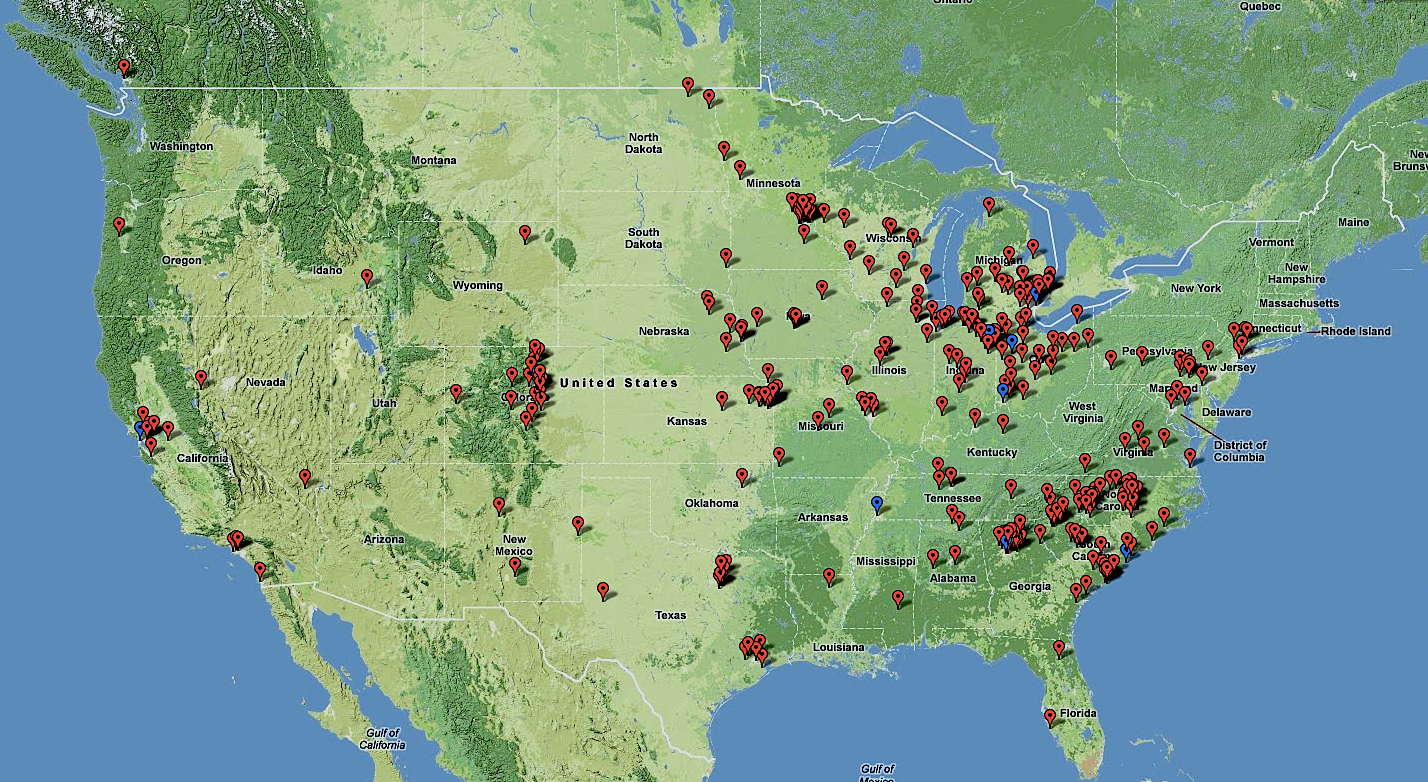
3DM is an organization that works with leaders and churches of over 70 Christian denominations. We are working with Baptists, Lutherans, Non-denominational, Methodists, Assembly of God, Church of Christ, Brethren, Vineyard. And that’s just scratching the surface.
Just on our home team, we have backgrounds that are Anglican, Baptist, Reformed, Arminian, Charismatic and Wesleyan.
While clearly we are still growing in our understanding of ourselves, let us give you four other reflections on what we believe and how we operate out of that.
one
We are orthodox Christians who look to come alongside other orthodox Christians. Now we believe there is a historic understanding of what it means to be an orthodox Christian: The Apostles Creed.
I believe in God,
the Father almighty,
Creator of heaven and earth,
and in Jesus Christ, his only Son, our Lord,
who was conceived by the Holy Spirit,
born of the Virgin Mary,
suffered under Pontius Pilate,
was crucified, died and was buried;
he descended into hell;
on the third day he rose again from the dead;
he ascended into heaven,
and is seated at the right hand of God the Father almighty;
from there he will come to judge the living and the dead.
I believe in the Holy Spirit,
the holy catholic* Church,
the communion of saints,
the forgiveness of sins,
the resurrection of the body,
and life everlasting.
Amen.
*The word catholic in this context means “universal” Church of Jesus Christ
two
However, another way of understanding what we believe and how that drives us is through the lens of these simple principles:
because the way of Jesus and the work of Jesus go hand in hand
Family at the Core
because who we are becoming is as important as what we are doing
Life on the Edge
because leaders by definition are the ones who go first
Listening for the Word
because becoming like Jesus is a journey of both Spirit and Truth
Laughing along the Way
because purpose and play make the family work
three
If you would like to dig around a bit more into what we believe and what drives us, we highly recommend checking out the following pieces of content:
- Book: Building a Discipling Culture by Mike Breen + Steve Cockram
- Book: Covenant and Kingdom: The DNA of the Bible by Mike Breen
- Blog: How I chose Movement over Mega (Mike Breen + Content Team’s blog)
- Audio: Invitation and Challenge of Jesus (free teaching by Mike Breen)
four
To give you an inside look at one aspect of how we train people who are on our team, this is an excerpt from a document that instills in our trainers, teachers and coaches how we choose to operate.






T.J. Schaefer
Alan Hirsch | writer/speaker
Everything that I write and speak about…3DM teaches churches to actually do.
Eddie Gibbs| missiologist, Senior Professor in the School of Intercultural Studies at Fuller Theological Seminary
For years he has sent to St. Thomas , the church that 3DM originated out of, people wanting to know what the future of the church will look like.
Very few of the churches we work with look the same as any other. One reason for this is that we work with so many churches of varying denominations that it’s impossible to think there could be a cookie-cutter approach.Instead, we believe each church should be unique to its own context. There isn’t one “model” out there. But we believe and have seen that we can help leaders in the journey toward thechurch community God is calling them to be in their mission context.
We recommend checking out one of our workshops, where you get a real immersion into what we do and plenty of time to talk with your team, ask questions and dream about the future. These workshops provide a low-cost way to connect with 3DM.We also provide free content through blogs and webinars through which you can investigate who 3DM is and what we do.
The best way to join the 3DM movement is by joining a Learning Community. Learning Communities are available across the United States. You can find more details or sign up to get more information here.
Over the past 20-25 years, we have developed a Discipleship vehicle we call Huddle. A Huddle has a Huddle leader and 4-10 other people. While this sounds similar to a small group, it is quite a different experience.We believe every church needs to know:
- What is your plan for making disciples?
- Does your plan work?
We have found that Huddles answer these questions in ways that other discipleship vehicles like Small Groups, Sunday School or Accountability Groups may not.
In the United States, the term “Missional Community” has come to mean many different things as it has sprung up in the past few years. We’ve been developing and using them for 20 years and define Missional Communities as groups of 30-50+ people who act as a spiritual family on mission together and reach into a particular mission context. To learn more, check out the Wikipedia entry here.
Yes! All of 3DM’s vehicles, such as Huddles and Missional Communities, find their foundation in an integrated theology of Covenant and Kingdom. We have more fully explained the connections in this book.
We are not a denominational body pushing a specific denominational agenda. We believe we are all part of ONE body and that all members of the body are needed to fulfill the last instructions Jesus gave to his disciples.Because we focus on the universals within the Christian body that we have in common (such as discipleship, leadership, community, mission, and the theology of Covenant and Kingdom), we are able to work with churches that have varying theological lenses.
Terms & Conditions